
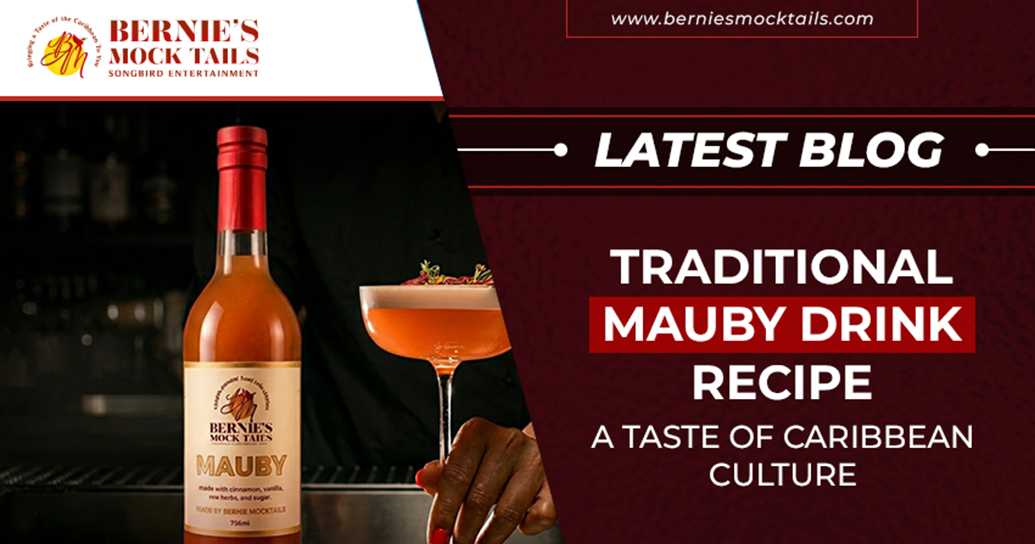
Mauby is a traditional Caribbean bark drink known for a flavor that is sweet, spiced, woody, and pleasantly bitter. A classic homemade mauby drink starts with dried mauby bark, which is simmered with spices such as cinnamon, cloves, and anise, then strained, sweetened, diluted, chilled, and served over ice. Recipes vary from island to island, so there is no single formula that represents every Caribbean household.
This easy non-fermented mauby recipe makes about 6–8 servings and focuses on a balanced, refreshing version that lets the bark’s distinctive character come through. The most important trick is simple: sweeten and dilute gradually. Mauby should taste bittersweet, not overwhelmingly harsh.
Mauby, also called mabi or mavi in some Caribbean traditions, is made by brewing the bark of trees in the Colubrina genus. Dried mauby bark is commonly combined with aromatic spices, then transformed into a dark, fragrant beverage.
Mauby is associated with several Caribbean islands, including Trinidad and Tobago, Barbados, and other parts of the West Indies, with local variations in spices, sweetness, preparation, and whether the drink is fermented. That variation is part of its appeal: a Trinidad-style mauby may taste different from a version prepared elsewhere.
The drink has a naturally bitter finish, which can surprise anyone expecting a conventional sweet fruit punch. Once balanced with sugar, citrus, and spices, however, that bitterness becomes part of the drink’s identity rather than something to eliminate.
This version is designed for a home kitchen and is intentionally non-fermented.
| Ingredient | Amount | Purpose |
| Dried mauby bark | 8–10 g | Bitter, woody base |
| Water | 7 cups, plus more for dilution | Brewing and strength control |
| Cinnamon stick | 1/2 to 1 | Warm spice |
| Whole cloves | 6–8 | Deep aromatic note |
| Star anise | 1–2 pods | Licorice-like aroma |
| Aniseed | 1 teaspoon | Optional extra anise character |
| Bay leaf | 1 | Herbal depth |
| Brown or cane sugar | 1/2–1 cup, to taste | Balances bitterness |
| Lime or orange peel | 1–2 strips, optional | Bright citrus note |
Quickly inspect the dried bark and remove visible debris. If your packaged bark includes preparation instructions, follow the supplier’s directions.
Add the bark, cinnamon, cloves, star anise, aniseed, bay leaf, and citrus peel to a saucepan with about 3 cups of water.
Bring the mixture to a boil, then reduce heat and simmer for about 15–20 minutes. The liquid should become darker and strongly aromatic.
Remove from heat, cover, and let steep for at least 2–3 hours. An overnight steep can produce a deeper flavor.
Pour through a fine-mesh strainer or cheesecloth. Remove all bark and spice fragments.
Add sugar while the liquid is warm enough to dissolve it. Start with less sugar, then add water gradually until the sweetness and bitterness feel balanced.
Refrigerate until cold. Pour over ice and add a small lime wedge or citrus peel if desired.
Expect a layered flavor rather than a single sweet note. The bark contributes earthy, woody bitterness; cinnamon adds warmth; cloves bring a strong aromatic quality; and anise contributes a gentle licorice-like character. Sugar rounds the edges, while citrus can add freshness.
If you have never tried mauby, think of it as closer in spirit to a spiced root beer or herbal iced tea than fruit punch. The comparison is not exact, but it helps explain why the flavor can seem unusual at first.
| Feature | Non-fermented | Fermented versions |
| Preparation | Brew, sweeten, dilute, chill | Brewed liquid undergoes fermentation |
| Flavor | Bittersweet and spiced | May become tangier and lightly fizzy |
| Alcohol | Intended as non-alcoholic | Fermentation can produce alcohol |
| Best for | Simple mocktail-style serving | Recipes that specifically call for fermentation |
For a straightforward mocktail, use the non-fermented method above. Do not treat a fermented mauby recipe as interchangeable with a fresh bark infusion; fermentation requires different food-safety considerations.
Serve mauby over plenty of ice in a tall glass. For a polished mocktail presentation, add a lime wheel, a thin strip of orange peel, or a small cinnamon stick.
It pairs naturally with Caribbean-inspired food such as grilled chicken, rice and peas, baked fish, plantains, or savory pastries. Its aromatic bittersweet profile can provide a refreshing contrast to salty, spicy, or richly seasoned dishes.
The non-fermented recipe above is intended to be non-alcoholic. Some Caribbean preparations are fermented, so check the preparation method rather than assuming every mauby drink is identical.
Mauby is traditionally prepared from dried bark of trees in the Colubrina genus, commonly identified in recipes as Colubrina elliptica or related species.
You can, but the natural bitterness will be much more pronounced. If reducing sweetness, dilute carefully and consider a small amount of citrus to brighten the flavor.
Keep non-fermented mauby covered and refrigerated. Because homemade recipes vary in acidity and handling, use conservative food-safety practices and discard it if it develops an unexpected odor, appearance, or taste.
Yes. Bottled syrups and concentrates can be convenient when dried bark is difficult to find. Follow the product’s dilution directions, then adjust water or sweetness to taste.
Not exactly. Both can have a dark, spiced profile, but mauby’s bark-based bitterness gives it a distinctive flavor different from commercial root beer.
A traditional mauby drink is one of the Caribbean’s most distinctive homemade refreshments. Brew dried mauby bark with warm spices, steep it, strain it, sweeten it gradually, and chill it well. The goal is not to remove every trace of bitterness—it is to balance that bitterness with sweetness, spice, and a touch of citrus.
Once you find your preferred bark-to-water and sugar balance, mauby becomes an easy make-ahead mocktail with a strong sense of Caribbean character.