
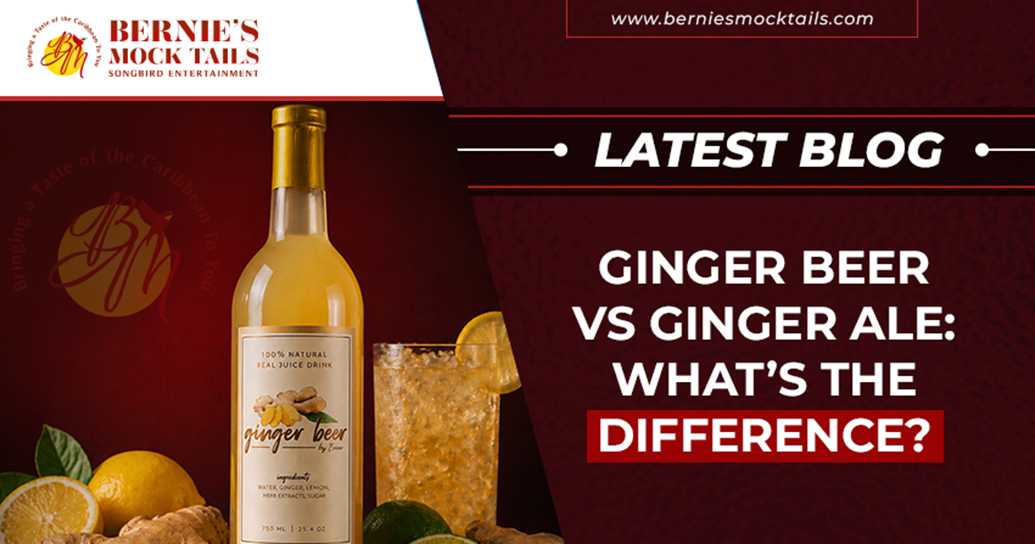
Ginger beer and ginger ale are often grouped together because both are fizzy, sweet, ginger-flavored beverages. But they are not exactly the same. The simplest answer is that ginger beer usually has a stronger, spicier ginger flavor, while ginger ale is generally milder and sweeter. Their traditional production methods also differ, although many modern commercial versions are made without meaningful fermentation.
From a health perspective, the word “ginger” should not automatically make either drink a healthy choice. Many commercial products are sugar-sweetened soft drinks, and the amount of actual ginger can vary widely. If you are choosing one for nausea or an upset stomach, check the ingredient list rather than assuming the beverage contains enough ginger to provide a therapeutic effect.
Ginger ale is a carbonated soft drink flavored with ginger. Most commercial varieties combine carbonated water with a sweetener and ginger flavoring or extract. Some products contain real ginger, while others rely largely on flavoring. Regular, diet, and “dry” versions are common, with “dry” generally describing a flavor style rather than a standardized nutritional category.
Historically, some ginger ales were fermented. Today, however, many mass-produced ginger ales are simply carbonated, sweetened beverages. That means the word “ale” does not necessarily tell you how the drink was made.
Ginger beer is also a sweetened, carbonated ginger beverage, but it traditionally developed through brewing and fermentation. Traditional recipes used ginger, sugar, water, and a starter culture. Modern commercial ginger beer is often nonalcoholic and may be carbonated by other methods rather than naturally fermented.
Despite its name, most ginger beer sold as a soft drink is not an alcoholic beer. Some products may contain trace amounts of alcohol, so people who need to avoid alcohol completely should read the label and manufacturer information.
The practical differences are easiest to see side by side:
Feature | Ginger Beer | Ginger Ale |
Ginger flavor | Usually stronger and spicier | Usually milder and sweeter |
Traditional production | Brewing/fermentation with ginger and a starter culture | Historically fermented; many modern versions are carbonated soft drinks |
Modern carbonation | May be naturally fermented or force-carbonated | Usually carbonated during manufacturing |
Appearance | Can be clear or cloudy | Usually clear |
Common use | Bold cocktails, mocktails, Moscow Mules | Everyday soft drink and lighter mixers |
Alcohol | Usually nonalcoholic; check the label if needed | Generally nonalcoholic |
Health profile | Depends heavily on sugar and actual ginger content | Depends heavily on sugar and actual ginger content |
If you want a noticeable ginger bite, ginger beer is usually the better match. It tends to have a sharper, warmer flavor that can stand up to citrus, lime, herbs, or spirits. Ginger ale is typically softer, sweeter, and more subtle, making it easier to sip on its own. Individual brands can vary considerably, so the product label and tasting notes matter more than the name alone.
There is no universal answer. Neither beverage should be considered a health food simply because it contains the word “ginger.” The most important factors are the amount of added sugar, serving size, calorie content, and how much actual ginger is present.
The FDA says the Daily Value for added sugars is 50 grams per day based on a 2,000-calorie diet, and the Dietary Guidelines recommend keeping added sugars below 10% of daily calories. The Nutrition Facts label can help you compare products, with 5% DV or less considered low in added sugars and 20% DV or more considered high.
Ginger itself has been studied for nausea and vomiting, including pregnancy-related nausea and chemotherapy-associated symptoms. However, research on ginger does not mean that a sugary ginger ale or ginger beer will provide the same effect as a studied ginger preparation. Clinical evidence varies by condition, preparation, and dose.
Usually, you should not rely on either drink as a treatment for nausea. Many commercial products contain little actual ginger, while sugar and carbonation can bother some people with bloating, gas, or indigestion. Cleveland Clinic notes that many commercial ginger ales do not contain enough real ginger to provide the expected relief.
If you want to try ginger for nausea, options such as ginger tea or a food or beverage made with clearly identified real ginger may make more sense. If nausea is persistent, severe, associated with dehydration, significant pain, blood, unexplained weight loss, or repeated vomiting, contact a healthcare professional rather than relying on a soft drink.
Use this quick checklist when comparing ginger beer and ginger ale:
If you want… | Consider… |
A stronger ginger kick | Ginger beer |
A lighter, sweeter ginger flavor | Ginger ale |
A bold cocktail or mocktail mixer | Often ginger beer |
A simple soft drink | Often ginger ale |
Less added sugar | Compare labels; either category can have lower-sugar options |
Ginger for nausea | A real-ginger food or drink may be more appropriate than relying on a typical soft drink |
No. They are related ginger-flavored carbonated beverages, but ginger beer usually has a stronger, spicier ginger profile and a different historical production method. Modern products can blur the distinction because both may be manufactured as carbonated soft drinks.
Most commercial ginger beer is nonalcoholic, despite its name. Traditional fermented versions historically contained alcohol, and some modern products may contain trace amounts. Check the product label if avoiding alcohol is important to you.
Not necessarily. A stronger ginger flavor does not prove that a drink contains a therapeutic amount of ginger. Many commercial ginger beverages are also high in sugar and carbonation, which may worsen gas or indigestion for some people.
It depends on the brand and serving size. Do not assume one category is always lower in sugar. Compare the Nutrition Facts labels, especially grams of added sugar per serving.
Pregnancy changes the advice from person to person. Research on ginger preparations suggests ginger may help pregnancy-related nausea, but that evidence does not automatically apply to commercial ginger beer. Because formulations vary, discuss frequent or therapeutic use with your prenatal healthcare professional, especially if you have complications or take medications.
The main difference between ginger beer and ginger ale is flavor and traditional production: ginger beer is generally bolder and spicier, while ginger ale is usually milder and sweeter. But when health is the deciding factor, the name on the bottle matters less than the Nutrition Facts panel and ingredient list. Choose based on your taste, intended use, added sugar, actual ginger content, and individual health needs. If you are seeking ginger specifically for nausea or another health concern, use evidence-based ginger preparations or ask a healthcare professional rather than assuming a ginger-flavored soda will have the same effect.