
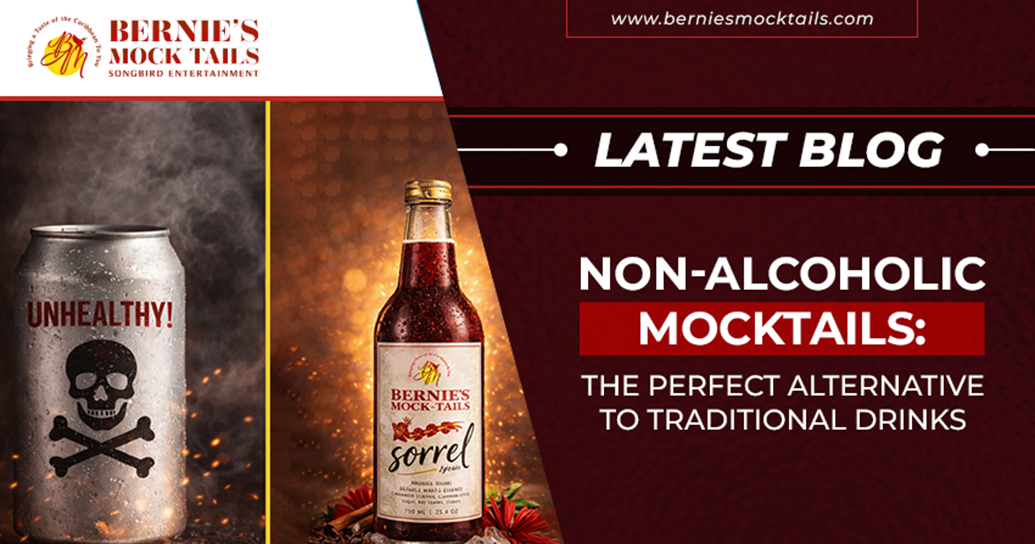
Non-alcoholic mocktails are mixed drinks made without alcohol that can deliver the flavor, presentation, and social experience people often associate with cocktails. They are useful for anyone who wants to skip alcohol, reduce drinking, drive safely, or simply enjoy a more inclusive drink at a social event. The important point is that “alcohol-free” and “healthy” are not automatically the same thing: a mocktail can be refreshing and alcohol-free while still being high in added sugar.
That makes the best choice less about finding a drink that looks like a cocktail and more about choosing ingredients that fit your needs. Current guidance from the CDC supports replacing alcoholic drinks with non-alcoholic options such as water, sparkling water, tea, or other low-sugar beverages when reducing alcohol intake.
A mocktail is a non-alcoholic mixed drink designed in the style of a cocktail. It may combine fresh fruit, citrus, herbs, spices, sparkling water, tea, shrubs, syrups, bitters, or non-alcoholic spirit alternatives. Unlike plain juice or soda, a thoughtfully made mocktail focuses on balance between sweet, sour, bitter, aromatic, and refreshing flavors.
You may also see terms such as non-alcoholic cocktail, alcohol-free cocktail, zero-proof drink, or virgin cocktail. The exact terminology varies by menu and product, so check the ingredient list if avoiding alcohol is important.
The biggest practical advantage is simple: removing alcohol removes alcohol-related impairment. This can make a mocktail a useful choice when you are driving, working, participating in an activity that requires alertness, or intentionally taking an alcohol-free day. The CDC notes that drinking less alcohol or not drinking can reduce alcohol-related health risks.
Mocktails can also make social occasions more inclusive. You do not have to settle for plain water while friends order cocktails. A well-made drink in attractive glassware with fresh garnish can provide the ritual and flavor complexity of a traditional mixed drink without the alcohol.
For some people, however, alcohol-like beverages may not be a good fit. Stanford Medicine notes that drinks designed to resemble alcoholic beverages can be triggering for some people recovering from alcohol use disorder. If that applies to you, a completely different beverage—such as sparkling water with citrus or an iced herbal tea—may be a better choice.
They can be a lower-risk alternative when they replace an alcoholic drink, but the answer depends on what is in the glass. Removing alcohol is meaningful, but adding large amounts of syrup, sweetened soda, or juice can create a high-sugar beverage. Baylor College of Medicine and Cleveland Clinic both emphasize paying attention to sugar and other ingredients when choosing mocktails.
For everyday drinking, build around unsweetened or lightly sweetened ingredients. Sparkling water, fresh lemon or lime, unsweetened tea, cucumber, mint, berries, ginger, and modest portions of 100% fruit juice can add flavor without relying heavily on syrups. The CDC also recommends choosing water and other low-calorie beverages over sugary drinks.
| What to look for | Why it helps | Easy swap |
| Sparkling or still water | Adds volume and refreshment without much sugar | Replace soda with sparkling water |
| Fresh citrus | Adds acidity and brightness | Use lemon/lime instead of extra syrup |
| Herbs and spices | Creates aroma and complexity | Try mint, basil, ginger, cinnamon, or rosemary |
| Unsweetened tea | Adds depth without relying on sugary mixers | Use iced green, black, or herbal tea as a base |
| Small amount of juice | Provides natural fruit flavor | Use a splash rather than a full glass |
| Lower-sugar mixers | Helps limit added sugar | Compare labels and choose unsweetened options |
You do not need professional bar equipment. Start with a simple four-part framework:
A useful rule is to taste before adding more sweetener. Fruit juice and flavored mixers may already provide enough sweetness. Garnish also matters: a lime wheel, mint sprig, cucumber ribbon, berries, or citrus peel can make a simple drink feel more complete without adding much sugar.
For a refreshing option, combine sparkling water, lime, mint, and a small amount of fruit puree. For a more sophisticated drink, use chilled unsweetened tea with citrus, ginger, and herbs. If you enjoy bitter flavors, look for alcohol-free aperitif-style mixers and balance them with citrus and sparkling water. A tropical version can combine pineapple or watermelon with lime and sparkling water, using juice as a flavor accent rather than the entire base.
Classic names such as the Shirley Temple, Virgin Mojito, and alcohol-free margarita can also be adapted with less syrup and more fresh ingredients. The goal is not to recreate alcohol exactly; it is to create a drink with enough flavor, texture, aroma, and visual appeal to stand on its own.
People managing diabetes or blood-sugar concerns may want to choose lower-sugar mocktails and check nutrition labels, especially when using bottled mixers. People watching calories should remember that fruit juice, syrups, sweetened soda, and creamy ingredients can add substantial calories even without alcohol. CDC guidance identifies sugar-sweetened beverages as a major source of added sugars and recommends limiting them.
If you are pregnant, avoiding alcohol is recommended. ACOG states that it is safest not to drink alcohol during pregnancy. However, “non-alcoholic” product labels can vary, so check the label and ingredient information if complete alcohol avoidance is important to you.
People in recovery from alcohol use disorder should also consider whether alcohol-like drinks support or undermine their recovery goals. There is no single answer for everyone; discussing triggers and beverage choices with a qualified healthcare professional or recovery support provider can be appropriate.
Non-alcoholic mocktails can be an enjoyable alternative to traditional drinks because they preserve much of the social and sensory experience without alcohol. They are especially useful for people reducing alcohol, avoiding impairment, or looking for inclusive drink choices. The smartest approach is to look beyond the word “mocktail” and consider the actual ingredients. Choose fresh flavors, use sweeteners sparingly, and make sparkling water or unsweetened beverages do more of the work.
In other words, a good mocktail is not simply a cocktail with the alcohol removed. It is a deliberately balanced drink that can fit into a wide range of occasions and preferences.
A mocktail is generally understood to be a drink without alcohol. However, some commercial “non-alcoholic” products may contain trace amounts depending on how they are made and labeled. If you need strict alcohol avoidance, check the product label and ask the venue about ingredients.
They can be a lower-risk choice when replacing alcoholic drinks, but they are not automatically healthy. A mocktail made with large amounts of syrup, sweetened soda, or juice can be high in added sugar and calories. Choose fresh ingredients and lower-sugar mixers when possible.
There is no single healthiest recipe for everyone. A practical option is sparkling water with fresh lemon or lime, herbs, cucumber, or berries, with little or no added sweetener. Your best choice depends on your dietary needs and the ingredients available.
Avoiding alcohol during pregnancy is recommended. ACOG says it is safest not to drink alcohol during pregnancy. If choosing a commercially prepared non-alcoholic beverage, check its label and ingredients if you need to avoid any alcohol exposure.
They may be useful for some people, especially as a social substitute, but not everyone benefits from alcohol-like drinks. Stanford Medicine notes that alcohol-adjacent beverages can be triggering for some people with alcohol use disorder. Consider your own recovery goals and professional guidance.
Use sparkling water or unsweetened tea as the main base, add fresh citrus and herbs for flavor, and use only a small amount of juice or syrup. Taste first before adding additional sweetener.